
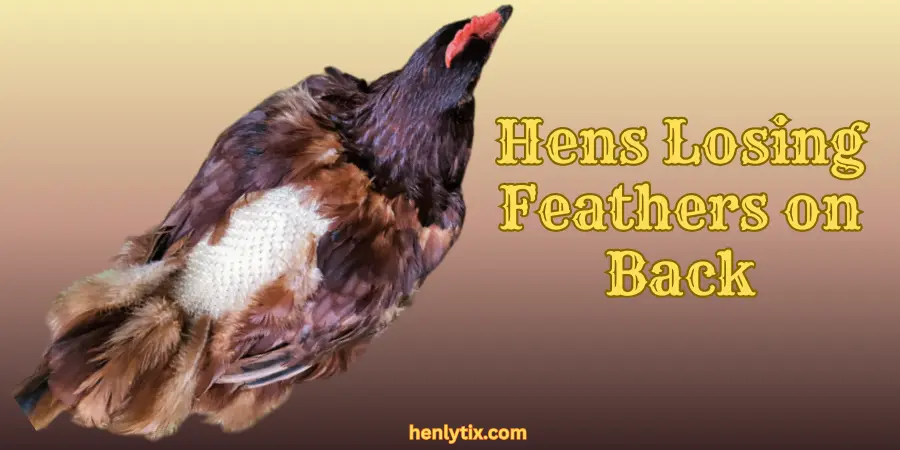
Feather loss in chickens, especially around their back, can be a serious issue for poultry owners. The most common reason for missing feathers is the natural molting period, a naturally occurring phenomenon where chickens shed old feathers and grow new ones. This process typically happens in fall, as part of their life cycle, and is often a replacement of feathers.
However, pests such as lice and mites are also a significant cause of feather loss, causing feather picking and leading to naked spots on the chicken’s body. Pests can affect the entire flock, and if left untreated, they may lead to ongoing issues. In such cases, detective work is required to identify the parasites, and steps should be taken to eliminate them.
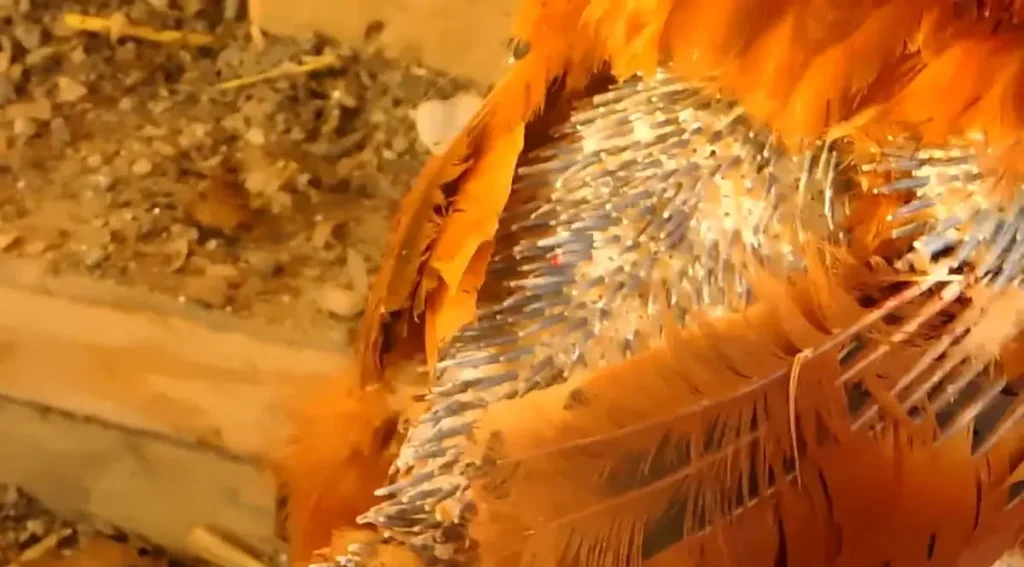
The flock might appear naked if the feather loss is due to pests or an inadequate protein diet. Molting chickens, especially those around a year old, can show varying degrees of feather loss, which is completely normal. Providing the right feed ratio is crucial — at least 90% should be chicken feed, with the rest being garden veggies, fruits, and occasional treats.
Free-ranging chickens also help them access additional nutrients, promoting healthy feather growth. It’s important not to overtreat the chickens with unnecessary products or pesticides, as this can affect their overall health. Ensuring a healthy balance of chicken feed and avoiding untreated pest infestations will help the chickens’ feathers return to their normal state.
Hens Losing Feathers on Back -Short Guide
Hens losing feathers on their back can be caused by several factors, including mites, lice, depluming mites, molting, protein deficiencies, bullying, or rooster over-mating. During the molting season, chickens naturally shed old feathers and grow new ones, but external parasites like mites or lice can also contribute to feather loss. It’s important to ensure that chickens have a balanced diet, proper housing, and access to clean water to support healthy feather growth and prevent feather picking or pecking within the flock.
Causes of Feather Loss in Hens:
Annual Molting
Hens go through an annual molt, typically starting around their first birthday. This process occurs during fall, when they lose old feathers and grow new feathers. It’s completely natural and helps them prepare for the cooler months ahead. During this time, you might notice pin feathers emerging, which are the new feathers still developing.
The molting process can be stressful for hens, requiring a lot of protein and energy to regrow their feathers. Poultry multivitamins added to their drinking water can help support them through this demanding period.
The process of losing old feathers and growing new feathers can take several weeks, and in some cases, a typical molt may last up to three months for older chickens, who molt much slower, taking 10-12 weeks.
During the molt, egg production often slows or may cease entirely because making eggs also requires a lot of protein, and the hen’s body is focused on replacing its feathers. This is common in roosters and hens alike. You may see bare backs or a less fluffy appearance, especially around the neck, back, and breasts, as the molt affects different areas.
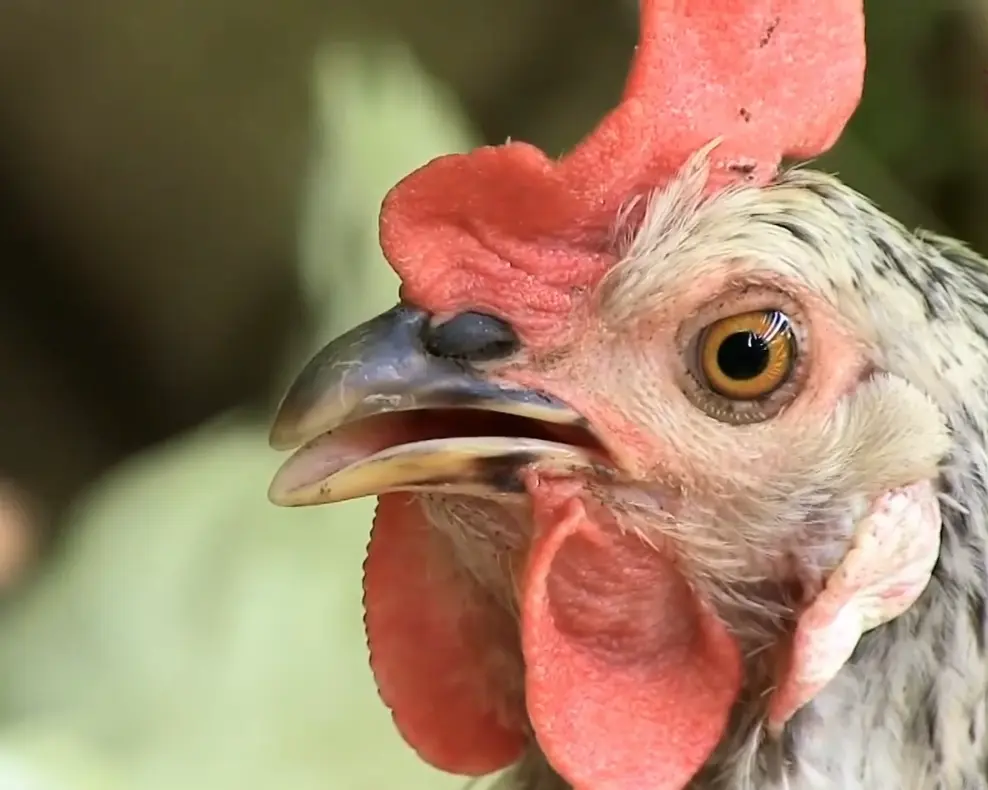
As hens go through the molt, their comb might lose its vibrant red color, indicating the hormonal changes. For chicken keepers, understanding that this is a natural part of the chicken’s life cycle and ensuring proper flock nutrition is key to helping them recover.
By improving the hen’s nutrition, you can encourage the return of beautiful feathers and fresh eggs once the molt is over. This process is normal and tattered feathers will soon be replaced as the molt ends.
Broody Hens and Roosters
When a hen becomes broody, she gets maternal and is ready to hatch eggs. As part of her process, she pulls out chest and belly feathers to maintain the right humidity for the eggs. If she’s been broody for a while, you may notice missing belly feathers as a result. However, this is a normal part of her natural instinct to protect the eggs and keep them warm.
It’s not uncommon for feather damage to happen in this stage, but it’s a temporary situation while the hen is focused on hatching her eggs. On farms or homesteads, ensuring proper care and balance can help mitigate any issues with this process.
Roosters can also cause feather loss, especially when they mate with hens. The rooster climbs onto the back of a hen and uses his feet, spurs, and beak to hold on, leading to feather damage on the head, back, and wings. This can be more common if there are too many roosters or not enough hens in the flock.
Maintaining a general rule of 6-8 hens per rooster is important to avoid irritation and feather damage. If necessary, using a hen saddle can protect the red skin and prevent painful, raw bare skin. It’s also important to consider the free range method of keeping chickens, allowing them to roam freely and reduce issues like fighting for dominance among multiple roosters.
When there are too many roosters, the downfall is that the hens may become stressed, leading to treading, balding, and feather loss. Plucking can also occur, especially if the roosters have a favorite hen. Not healthy for the hen, this situation can last for a longer period, making the feathers appear noticable when placed with several roosters.
Parasites and Pests
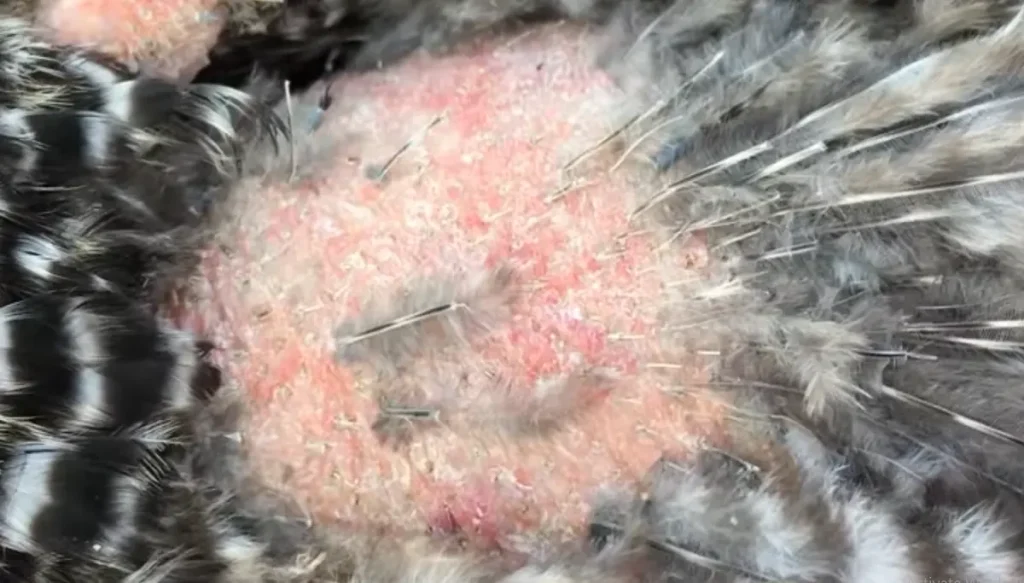
Chickens are highly susceptible to both external parasites like mites and lice, as well as internal parasites such as worms. These parasites can lead to significant feather loss, especially around the back end and other random areas of their body. Mites and lice cause irritation and can result in red inflamed skin, making the feathers fall out.
In addition, depluming mites, which live under the skin, are notorious for causing feather loss. If you notice ruffled feathers or a bare back, it’s time to investigate for possible parasites.
Preening is the chicken’s natural way of dealing with these pests, but it can also weaken their feathers over time, leading to feather fall out. Even in the cleanest situations on farms or homesteads, parasites can still become an issue.
Internal parasites can also contribute to feather loss, especially when they cause vent gleet, which inflames the vents. When chickens have droppings stuck to their backside, it is often a sign of internal issues. To address this, deworming may be necessary, and a vet can test the chicken’s droppings to determine if this is the case.
Whether it’s external parasites or worms, using products like poultry dust from your local hardware store can help. Sick chickens may also stop laying eggs, as parasites and disease can cause a significant strain on their bodies.
Mites and lice tend to suck blood from the chickens during the night, making them especially troublesome. Infected chickens can lead to a flock-wide issue, so regular checks for parasites are crucial to maintaining the health of your flock. Messages from other homesteaders or chicken keepers may offer helpful advice on how to handle parasite infestations effectively.
Malnutrition
Malnutrition is a major reason why hens lose feathers on their back. When chickens do not receive proper food with the correct nutrients, they may begin to pick feathers and suffer from other health issues. Homemade feed often lacks essential components, which results in missing feathers and ill chickens.
It’s imperative to provide a balanced diet, ensuring the right levels of protein and amino acids are included. Feathers become weak, and chickens might start plucking themselves or their flock mates, causing further damage. A viral video may suggest solutions, but feed experts emphasize that proper chicken feed from a reputable supplier is crucial for maintaining health and feather growth.
To avoid malnutrition, homesteaders must ensure their chickens have access to fresh water and appropriate feed, such as layer pellets. Feeding should be carefully balanced, and sudden changes can trigger problems like molting, which can lead to further feather loss.
In some cases, industrial-grade farmers use specific techniques to force molt and improve egg quality, but this practice is now illegal in many places. Adding extra vitamins, like Chicken Vet Poultry Multivitamins, or incorporating black oil sunflower seeds and natural feed into daily rations can help restore health.
If pecking or feather damage occurs, Chicken Vet Anti-Peck can be applied to the affected chickens, allowing them to replace lost feathers and prevent further damage.
Pecking Order and Chicken Bullying
In a flock, chickens establish a pecking order, which determines the dominant birds and their access to food and space. Bullying can occur when the dominant birds assert their authority over weaker ones, often leading to feather picking and damage to the victim’s feathers.
This is particularly common when there’s lack of space, unsuitable environments, or tight quarters, which leads to stress and boredom among the chickens. Sometimes, the dominant chickens will target a specific patch of feathers, often around the base of the tail or flanks, causing significant damage to the affected bird.
The pecking can even escalate into aggressive pecking, resulting in injury, cannibalism, and sometimes even death. If chickens are unable to escape this behavior, they may lose feathers and experience blood loss, especially if vent pecking occurs. The red and swollen skin around the vent area can attract other birds, leading to further damage.
Feather sucking and plucking can also happen if chickens are under stress or in an environment that isn’t stimulating enough. When introducing new birds to the flock, it’s common to see minor upsets, as they work to establish their place in the pecking order.
In such cases, it’s important to monitor the coop and ensure there’s enough space, along with a balanced diet that includes proper protein and good quality rations. Adding items like feed wreaths or heads of lettuce can provide some engagement and reduce the likelihood of bullying behaviors.
Dirty environments and low salt in the diet can worsen feather picking and feather loss, so it’s essential to keep the chickens’ surroundings clean and provide the right nutrition. Painting the windows or light levels can also help reduce stress and prevent bullying.
Treatment and Prevention:
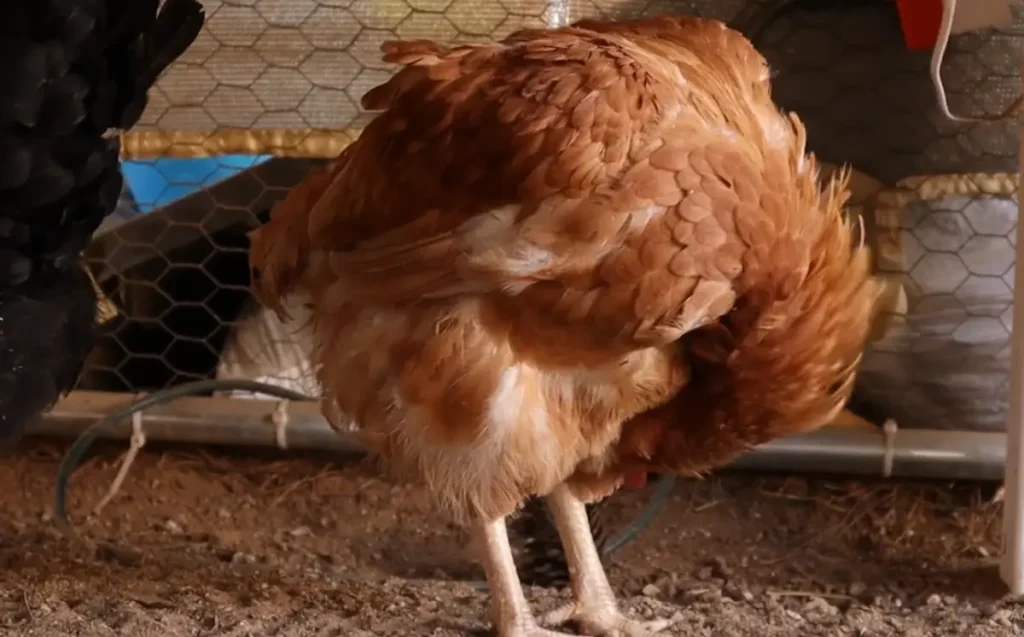
Managing Bullying in Chickens
If you notice bullying in your flock leading to feather loss, it’s important to act quickly. A tree pruning sealer can be applied to the cut or injured chicken to protect the affected area, allowing it to recover. The sealer will dry and prevent further pecking, especially if it’s black, as chickens tend to avoid pecking at dark areas.
If you identify a bully, isolating them in a separate pen for a few days can help restore harmony. Once the bully returns to the pen, they may get knocked down a peg by the other chickens, reducing their aggressive behavior. Creating an enriched environment with distractions like cereal blocks, fresh greens, or a swede can help alleviate stress and reduce the incidence of bullying.
Additionally, ensure your chickens have enough space to range and forage, as cramped conditions often lead to behavioral issues. If the bullying persists for more than 12 weeks, consult a vet or an avian vet to double-check for any underlying health concerns.
How to Help Your Molting Chickens
During the molting period, it’s essential to support your chickens with the right nutrition and environment. First, ensure they’re getting a high-quality grower feed with 16 percent protein to help with feather replacement. Adding protein-rich products like sunflower seeds and mealworms can also boost their protein intake.
Make sure the flock has enough living space to prevent boredom and feather picking, which can occur in confined quarters. Cleaning the coop regularly and offering treats can help keep them engaged and reduce stress.
Finally, ensure that any bully chickens are addressed by providing enough space and managing the pecking order. By focusing on a balanced regular diet and providing distractions, you’ll help your chickens recover and return to full health.
How to Fix Chicken Feather Loss (Practical Solutions)
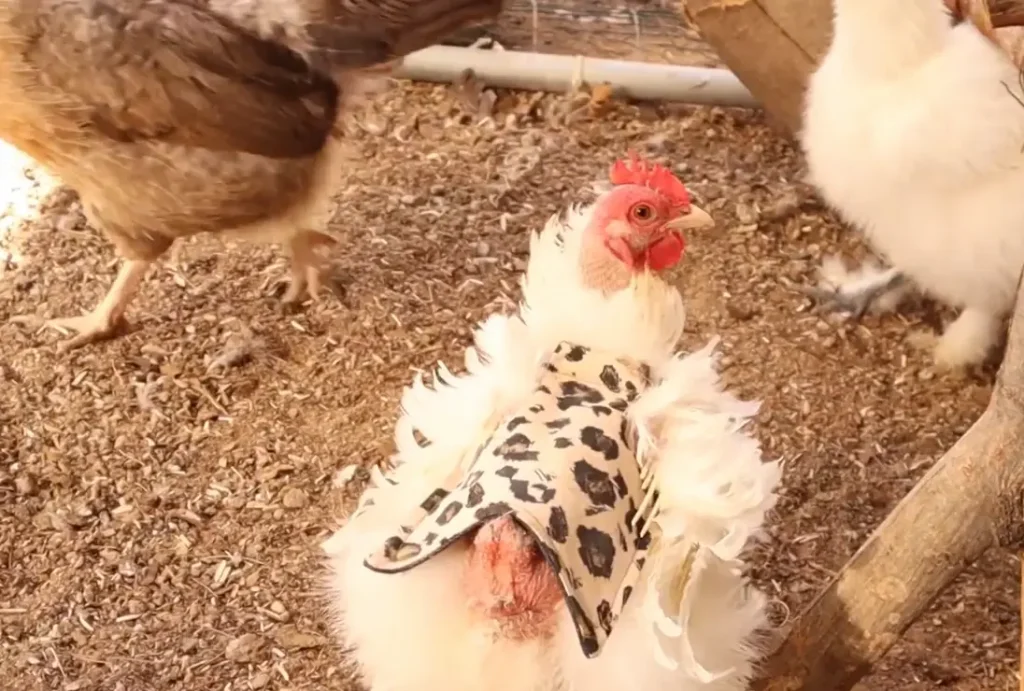
To address chicken feather loss, ensure your hens have access to free ranging and clean water. This helps reduce boredom and pecking, which can lead to irritation and further feather damage. Provide a balanced diet with vitamins, natural feed, and daily rations to improve their nutrient intake and support healthy molting during the molting season.
If you notice mites, lice, or other parasites, add wood ash or DE to their dust bathing areas to eliminate pests. Make sure to clean the coop regularly and use wood shavings in nest boxes for comfort. If bullying occurs, a hen saddle can protect the back from further damage.
Boredom can also cause canibalism, so ensure your chickens have enough space and activities to prevent this behavior. Adding lettuce or other distractions can keep them busy. Ensure the housing is spacious and that your flock has plenty of room to avoid stress and maintain a healthy environment. Attention to husbandry practices will help feathers return and improve overall health.
Feather Growth After Loss
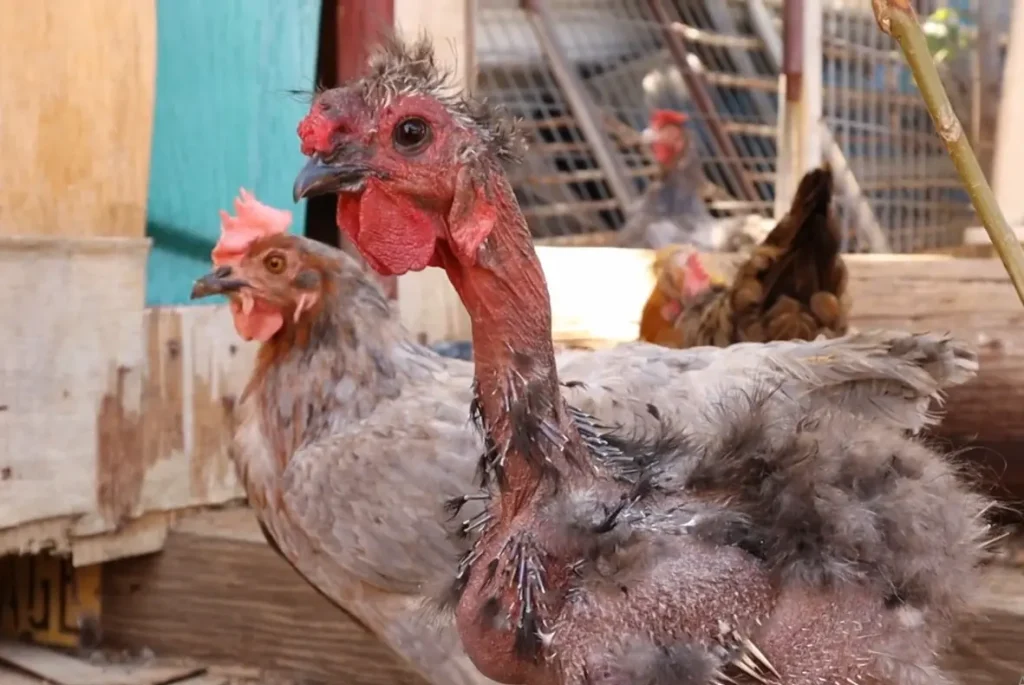
When a chicken’s feathers are lost, it’s not always immediate for them to grow back. Sometimes, the feather breaks as it emerges from the skin and gets stuck, making the body think that the feather is already in place. This can cause a problem where it appears the feather isn’t growing.
The solution is to wait until the chicken molts, at which point the feather will shed, allowing a replacement feather to grow in its place. This natural cycle may take some time, but with proper care, the feathers will eventually grow back.
Frequently Asked Questions
Why is my chicken losing feathers on their back?
Chickens with mites, lice, or depluming mites (the kind that live under the skin and are visible) may experience feather loss and red inflamed skin. Mites usually cause feather loss starting around the back end.
Why are my chickens bald on their backs?
If your chickens are picking and eating their own feathers, it could be a sign of a protein deficiency. Try adding some animal fat to their diet twice a week. The feed you provide for your layers may not contain enough protein. Other causes could include rooster over-mating, mites, lice, or a lack of protein in the flock’s diet.
How to tell if chicken is molting or has mites?
Check your chickens for mites to ensure they’re not the cause. Some chickens molt easily with little visible change, while others experience a more intense molt, with feathers everywhere and bare spots on their bodies. If the bare spots are due to molting, you’ll often notice new feathers starting to grow in.
Can worms cause feather loss in chickens?
If you notice missing feathers around the vent area, there could be several causes, including mites, lice, worms, self-pecking, bullying, or the hen being egg bound. Missing feathers near the wings or the back of the neck are likely caused by the rooster during mating.
Conclusion:
Hens losing feathers on their back can be caused by various factors, including molting, parasites like mites and lice, protein deficiencies, or even bullying within the flock. It’s crucial to address the root cause, whether it’s providing a balanced diet with vitamins and natural feed, improving living space, or managing pecking order to prevent further feather loss.
Regular checks for mites and lice, as well as offering distractions and extra protein, can help reduce boredom and prevent harmful behaviors like feather picking. By ensuring proper husbandry, providing appropriate housing, and ensuring your chickens are healthy, you can encourage the growth of new feathers and a happy, thriving flock.