
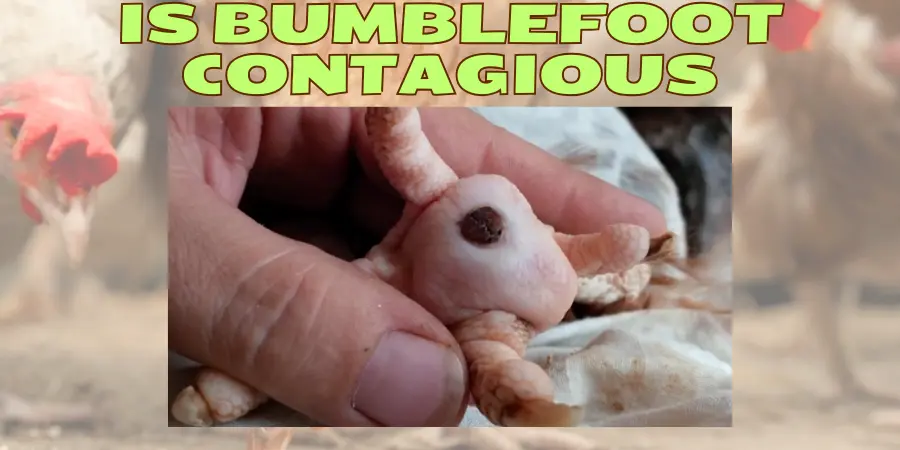
Bumblefoot, also known as pododermatitis, is a nasty and common foot infection in chickens caused by a bacterial staphylococcus bacterium. This infection usually enters the foot through a scratch or wound. Over time, it causes swollen toes, hocks, and even the legs.
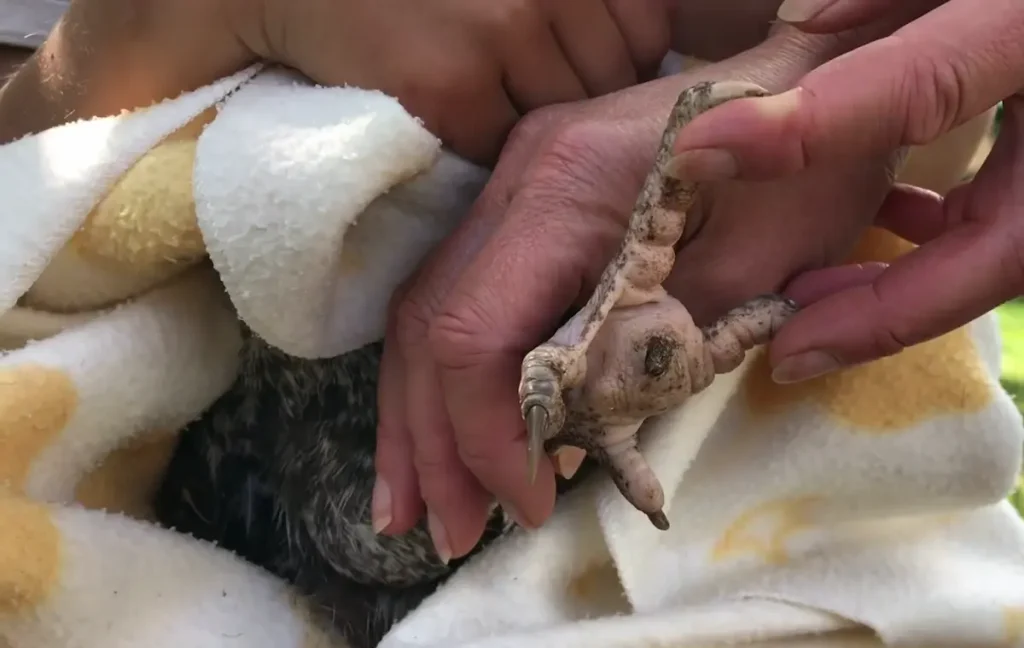
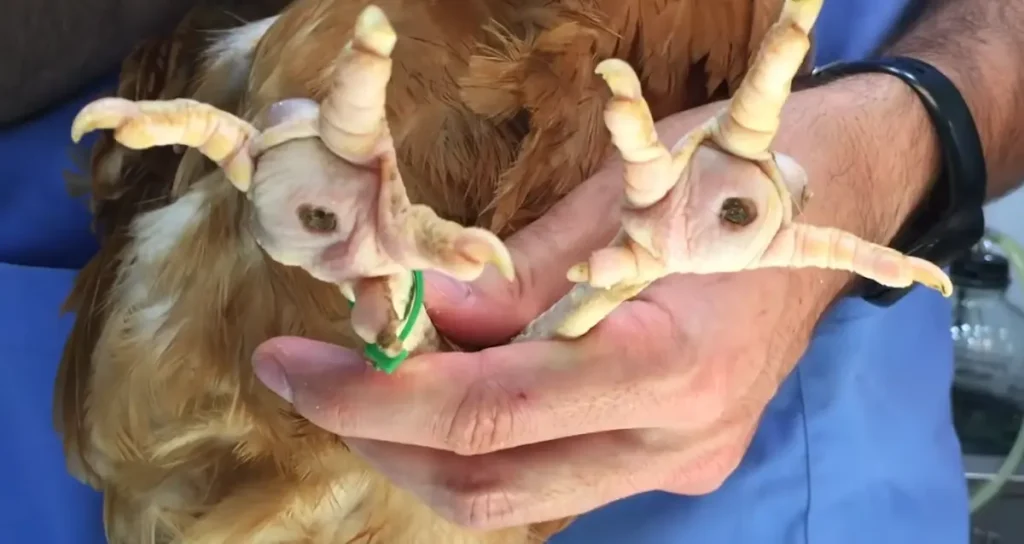
The infection starts as an abscess, forming a characteristic black spot on the foot pad, which can become painful. Bumblefoot is known to cause a sore that, if left untreated, can spread into the muscles and bones, making it fatal. Therefore, it’s essential to address the infection quickly to avoid further complications.
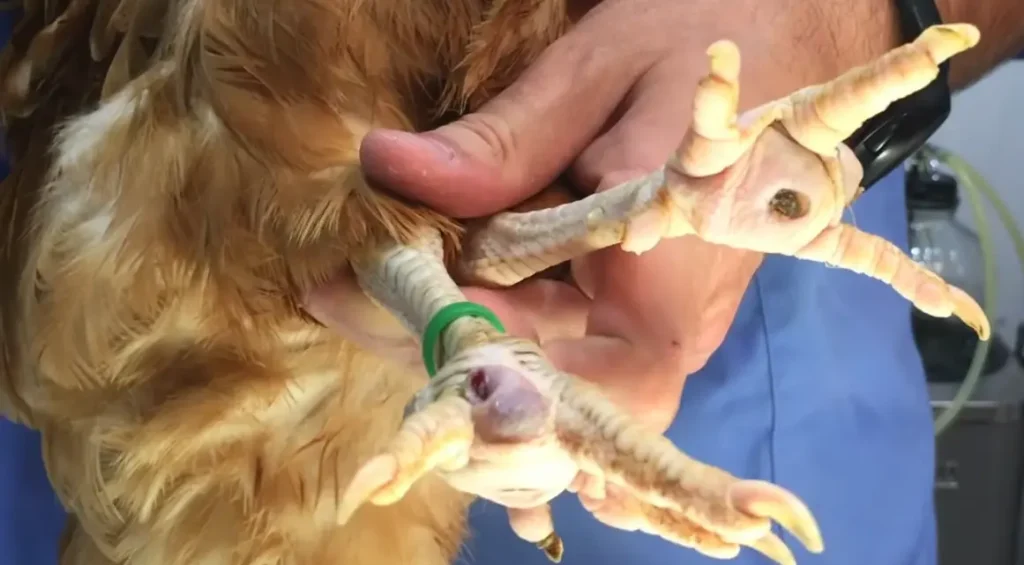
Interestingly, bumblefoot is not contagious like many other diseases that affect chickens. It doesn’t spread from one bird to another but rather results from poor care practices, environmental factors, and injuries.
Chickens are busy creatures constantly scratching, pecking, and jumping from high places, which can lead to an injury that allows the staphylococcus bacterium to enter the foot. While the infection can fester and become full-blown, it’s treatable with the right care. Chickens have a great deal of flexibility in their feet and toes, which makes them prone to these kinds of injuries.
This occurrence can happen due to a tiny force from a thorn or sharp rock. Preventing bumblefoot involves understanding these injuries and the process of catching it early before it becomes a painful issue for your flock of domesticated chickens and ducks.
Is Bumblefoot Contagious?
Bumblefoot is not contagious in the way many other diseases are. While it is caused by bacteria like Staphylococcus aureus, it is not transmitted from one bird to another through direct contact or airborne means. However, if one of your chickens has bumblefoot, the others are more likely to catch it because they are all exposed to the same environment and living conditions. The bacteria that cause bumblefoot are commonly found in places where poultry live, but they don’t easily transfer between birds, making it important to manage their living conditions to prevent outbreaks.
What Causes Bumblefoot in Chickens?
Bumblefoot is a common condition in chickens caused by an injury to the foot that allows bacteria, such as Staphylococcus aureus, to enter. These injuries can happen when chickens are walking on rough surfaces, sharp objects like thorny brush, or dirty areas with rubble and debris.
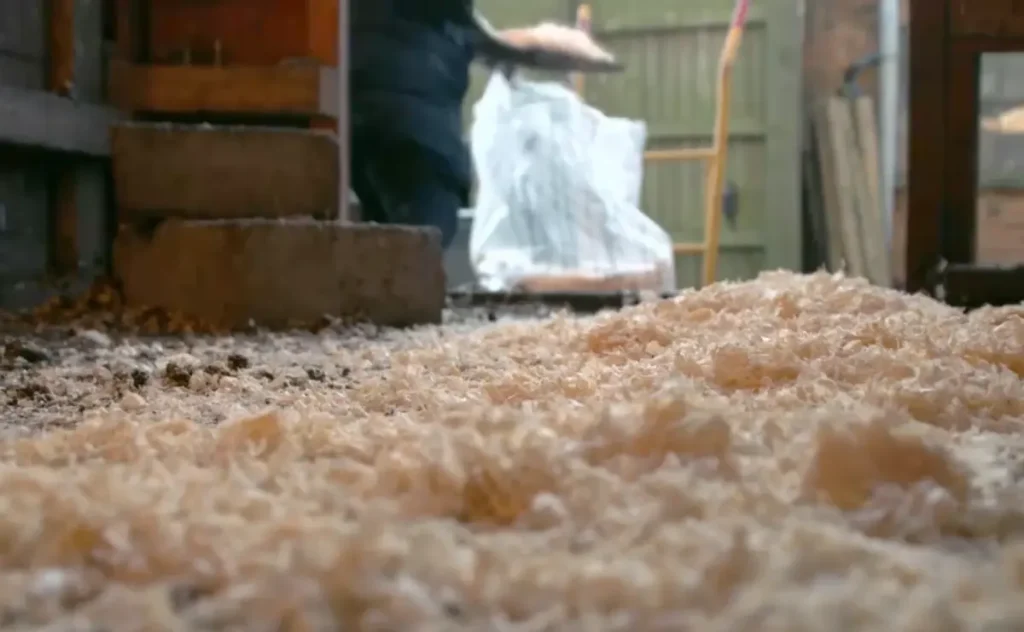
Damp and messy environments, such as compacted coop bedding, make chickens more vulnerable to foot injuries that lead to bumblefoot. Even simple things like stepping on a sharp twig or a lego in the coop can cause damage, allowing bacteria to get into the foot. This unclucky combination of injury and bacteria makes chickens more prone to the condition, especially when they’re busy scratching around.
Another factor that contributes to bumblefoot is the size and weight of the chicken. Larger breeds or obese birds are especially at risk because they put more pressure on their feet. Bigger feet help distribute weight, but obesity causes unequal weight bearing and puts extra strain on skin, increasing the likelihood of skin ruptures and abrasions.
Tiny toes in heavy birds have a harder time managing this weight, leading to bumblefoot. This is especially true if the chicken has uneven pressure on its feet due to a wonky gait or malformities. Pals that are chased or pecked more frequently are also more likely to suffer from this condition, as it puts additional strain on their feet.
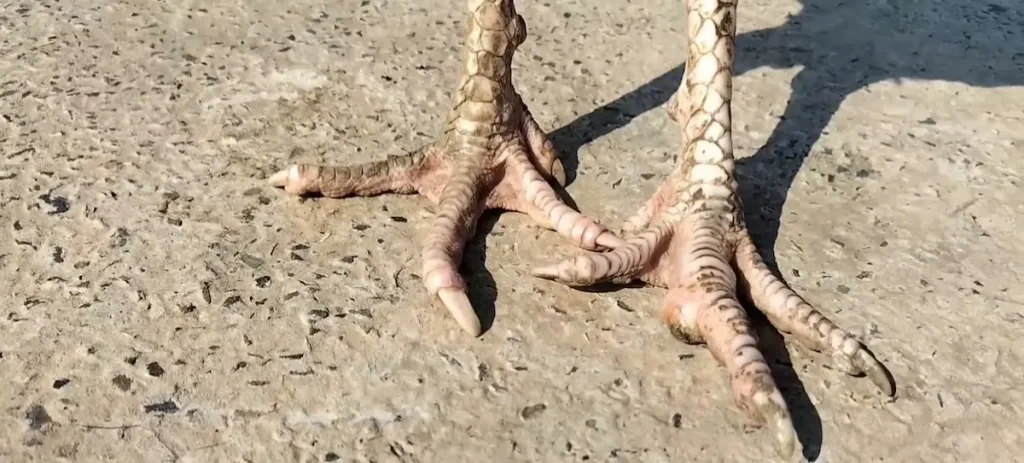
Chickens with dry, cracked skin are also more prone to infections. If the skin is not healthy and lacks essential nutrients like Vitamin A and biotin, it becomes flaky and weaker, which makes it easier for bacteria to enter and cause bumblefoot. Foot injuries, even minor ones, can become entry points for infections if the chicken’s feet are not properly cared for.
Poultry pedicures are essential to trim toenails and avoid issues like overgrown talons, which can cause scratches and make the chicken more susceptible to bumblefoot. Chickens that suffer from illness may also experience weaker skin that’s more prone to abrasions.
Environmental factors like standing for prolonged periods on hard or rocky soil, wire-flooring, or concrete can also play a role in the development of bumblefoot. Pressure sores caused by this kind of exposure can become ulcerated and infected if not properly treated.
Additionally, chickens that are at the bottom of the pecking order, often chased or pecked, may spend more time scrambling around, putting extra stress on their feet and increasing the risk of bumblefoot. Trauma to the feet from various environmental and social factors is a common cause of this infection.
Signs and Symptoms of Bumblefoot
When chickens develop bumblefoot, the first thing you might notice is limping or favoring one foot. This could be due to foot injury or pressure on the feet, especially after jumping from roosting bars or uneven surfaces. As the infection progresses, you might see a swollen foot or swollen toe, with a dark spot or black scab appearing on the sole of the foot.
These signs are often accompanied by inflammation, redness, or the foot feeling hot to the touch. Chickens are stoic animals and may not show obvious signs of pain or weakness, so regular routine foot inspections are crucial to catch it early. Sometimes, you might notice your chicken’s feet seem more sensitive when walking or scratching, and they may even scramble less or prefer to sit on the coop floor or nesting box instead of perching.
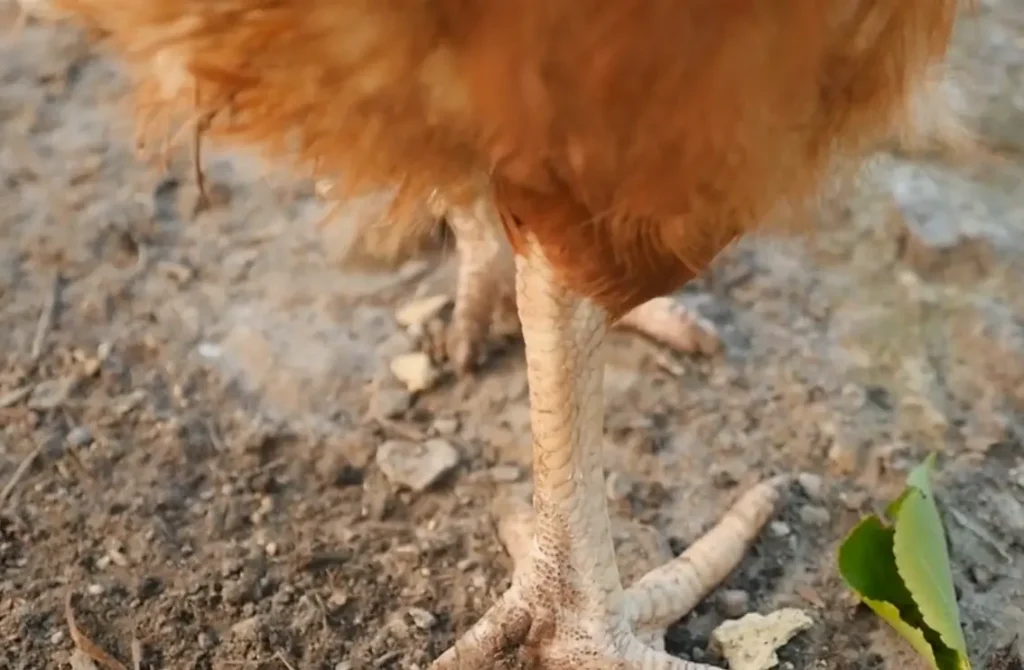
As bumblefoot progresses, you may observe reduced activity and reduced appetite. If your chicken starts to sleep on the ground rather than on the roosting bars, it’s an indication that something is wrong. A limp or unnatural swelling may occur, especially around the swollen toe or foot.
If the infection worsens, it can cause pain and suffering, leading to osteomyelitis, a serious bone infection. You may also see that your hens stop laying eggs due to the pain they’re experiencing, which can be an early sign of illness.
Poor chooks with uneven pressure on their feet may also show hesitancy to move or favor one foot, especially when walking or after an awkward landing. Treatment is necessary to prevent infection, which can worsen without proper care.
Do I Need to Isolate My Chicken with Bumblefoot?
You don’t need to worry about catching bumblefoot from a chicken in your flock, as it’s not contagious. However, it’s a good idea to isolate a weak bird for a while to give it an easy life and help it recover.
Keeping the chicken in a clean and dry environment, without access to roost bars or any pecking from other birds, will make it easier for the wounds to heal faster. Ensuring the bird has enough food and comfort can speed up its recovery, allowing it to rest and get stronger before rejoining the flock.
Can I Catch Bumblefoot from My Chicken?
Bumblefoot itself is not contagious from chickens to humans, but the Staphylococcus aureus bacteria that cause it can infect humans through skin abrasions. This means you won’t catch bumblefoot directly, but it’s important to be cautious, especially if you have any cuts or abrasions on your skin.
If you know your chicken has bumblefoot and you’re handling it or bathing its toes, it’s a good idea to be sensible about your hygiene routine. Washing your hands and taking care to avoid contact with the infected area will help keep you safe from the bug that causes the infection.
Prevention of Bumblefoot
Clean Your Coop and Bedding
To prevent bumblefoot, start by maintaining a clean and dry environment. Use soft flooring like wood shavings or sand to cover hard surfaces in coops and yards. This helps reduce pressure on their feet and minimizes the chance of bacteria growth. Regularly scooping poop and adding fresh bedding with herbs will keep the area cleaner and safer for your birds.
Check Your Perches
Another key step is ensuring your perches are suitable for your chickens. Make sure they are the right size and texture to avoid injuries. Check for sharp edges or splinters, and smooth any rough spots. For larger breeds like Jersey Giants or Orpingtons, higher perches are needed, as these birds require more space and support to avoid blisters.
Diet
Feeding your chickens a balanced diet with the correct amount of protein is crucial to keeping them healthy. Obesity from overfeeding can lead to foot injuries and joint problems. Proper nutrition helps them fight off infections more effectively. Be mindful not to overfeed, as this can lead to extra pressure on their feet and increase the risk of developing bumblefoot.
Foot Inspections
Regular foot inspections should be part of your monthly health checks. Early detection of any issues can save time, money, and discomfort for your chickens. By spotting signs of bumblefoot early, you can address them before they progress. Also, make sure to remove any sharp objects, nails, or debris from the coop and surrounding areas to prevent foot injuries.
Safe Exercise Space
Providing enough room for your chickens to roam and exercise is essential. If your chickens are free-ranging, be aware that they may face bumps and injuries as they explore. It’s important to keep a balance between allowing them to roam freely and ensuring they are safe from possible bumblefoot risks.
Cautious Use of Diatomaceous Earth
While Diatomaceous Earth can be a helpful pest control measure, excessive use can dry out your chicken’s skin, leading to cracks. Use it cautiously and apply it sparingly to avoid any potential harm to their feet and skin.
Manage Pecking Order Problems
Finally, managing the pecking order in your flock is crucial to preventing bumblefoot. Roosters fighting or chickens being picked on can lead to scratches and scrapes. Minimizing bullying behavior will help reduce foot injuries and the spread of bumblefoot in your flock.
Frequently Asked Questions
What happens if a bumble foot is left untreated?
If bumblefoot is not treated, it can spread to other tissues and tendons in the chicken’s foot, leading to serious complications and potentially becoming life-threatening. The infection often begins on the foot pad but can rapidly extend to muscles, bones, and surrounding tissues.
What bacteria causes bumblefoot?
Bumblefoot (also known as ulcerative pododermatitis) is a common bacterial infection and inflammation that affects the feet of birds, rodents, and rabbits. It is caused by various bacteria, including species of Staphylococcus, Pseudomonas, and Escherichia, with S. aureus being the most frequent cause of the infection.
What kills bumblefoot?
Early bumblefoot infections can be effectively treated with antibiotics. To aid in recovery, it’s important to separate the affected bird from the flock and provide deep bedding to reduce stress on the sore foot. Follow the antibiotic label instructions and administer it for the recommended number of days.
What is the first stage of bumblefoot?
The first stage of bumblefoot is marked by pinkish, red, or rough areas on the base and top of the foot, as well as between the toes. Early treatment at this stage can help prevent a more serious infection and avoid the need for veterinary intervention.
Conclusion
While bumblefoot is not contagious, maintaining a healthy environment is crucial for your bird’s well-being. The problem is quite simple to manage if discovered early, but it becomes more difficult to treat as the infection becomes entrenched. Health checks are important to help you pick up on any issues with your ladies early and treat them effectively.
While some sources may suggest isolating the bird, in my experience, it’s better to avoid that as it can cause problems with reintegrating a hen that is hurt or afflicted. Just remember, catching the issue early and using a bit of patience and fortitude will make all the difference.