
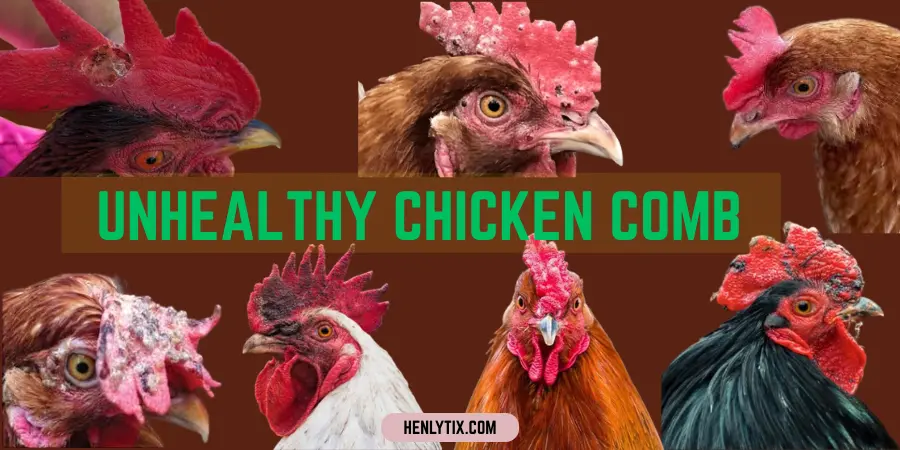
A chicken’s comb is a unique and important part of their anatomy. It is considered an organ much like the heart, liver, and kidneys, playing a crucial role in the heating control of the chicken’s body temperature. During summertime, the comb helps to diffuse body heat and regulate the bird’s temperature, while in winter, it prevents heat loss.
This ability to maintain a stable temperature is essential for a chicken’s health and biological function. Just like the dinosaurs, particularly the Enmontosaurus, whose remains suggest similar adaptive features, chickens use their comb for temperature regulation.
The majority of chickens rely on their combs to maintain proper physiological and biological circulation. If the comb becomes unhealthy, it can significantly affect the chicken’s behavior, thermoregulation, and circulation.
Without a healthy comb, chickens struggle to manage heat dissipation and body temperature, leading to serious health issues. Regular comb maintenance is key to ensuring the comb types are functioning properly. An unhealthy comb can impact the chicken’s overall health, function, and even its ability to adapt to changing environmental conditions.
Unhealthy Chicken Comb – Short Answer
An unhealthy chicken comb can be a sign of various health issues, such as anemia, poor circulation, frostbite, or mycotic infections. Pale, floppy combs often indicate stress or poor diet, while black tips on the comb can signal frostbite, especially in cockerels with large combs. Vaseline can protect combs from frostbite, and regular care, including proper water supply and hygiene, is essential to maintain healthy combs for all gallinaceous birds, including chickens, turkeys, and pheasants.
What Does the Colour of Comb Indicate?
- Red Comb: A bright red comb indicates healthy chickens with good blood circulation. This is a sign that the bird is well and thriving.
- Pale Comb: A pale comb could be a sign of anemia, lice, mites, worms, heat exhaustion, or molting. It often suggests the bird is not in optimal health.
- Purple Comb: A purple comb is a sign of a circulation issue or a lung problem, where the blood flow to the comb is compromised.
- Blue Comb: A blue comb shows that the chicken is not getting enough oxygen to its body, indicating potential issues with the heart, lungs, or overall health.
- Black Comb: A black comb can indicate frostbite in cold weather or sunburn during hot summer months. It can also be a sign of snake bites.
- Pink Comb: A pinkish comb is normal for pullets that haven’t started laying eggs yet. This usually occurs due to hormonal changes and is not a sign of illness unless accompanied by other symptoms.
- White Comb: A white comb may indicate internal bleeding, anaemia, or a heavy parasite infestation. It suggests that blood flow has stopped, which can be a serious health concern.
- Dark Comb: A dark comb could be due to frostbite, and it may turn black as the comb heals. This type of damage is usually not fatal, and chickens can recover with proper care.
Common Problems with Unhealthy Chicken Combs
Pale Chicken Combs
A pale chicken comb often signals health issues. It can indicate anemia, commonly caused by fleas, lice, mites, or internal worms. These pests can lead to reduced egg production, and you may also notice abnormal droppings.
Overheating in summer, without access to shady spots or fresh, clean water, can also cause a pale pink comb. Additionally, if your chicken is in the process of molting, you may see a temporary change in comb color, which should return to normal once the feathers are fully regrown.
Black Spots on Combs
Black spots on combs are often caused by frostbite, especially in cold, windy, and damp weather. When the chicken’s body diverts blood flow to protect the vital organs, the extremities like the comb receive less circulation, leading to cell damage and darkening of the affected area.
Over time, the tissue death becomes visible, but the chicken can usually recover if the damage isn’t too severe. To prevent frostbite, ensure your chickens are in a well-insulated, ventilated coop and provide additional heat in colder months.
White Spots on Combs
White spots on combs can be caused by a fungus or a dry area. If left untreated, the comb can dry out and become cracked. Applying apple cider vinegar followed by coconut oil can help moisturize the area and prevent further dryness. In some cases, white spots could also indicate early signs of frostbite or an infection like ringworm or fowl pox. Keeping the chicken’s environment clean and dry will help reduce the risk of fungal infections and skin problems.
Rosy, Deep Red Comb Color
A rosy red or deep red comb is typically a sign of a healthy chicken with good circulation. This desired color shows that the chicken is getting sufficient oxygen and is in good overall health. However, a deep red comb could also indicate stress, especially if the circulation is not functioning properly.
Keep an eye on other signs like breathing issues or heart problems that could cause abnormal redness. Ensure your chickens are not only healthy but also comfortable to avoid undue stress.
Common Diseases Affecting Combs and Wattles
Pullet Disease (Blue Comb, Avian Monocytosis)
Pullet disease, also known as Blue comb or Avian Monocytosis, mainly affects chickens between 15 to 25 weeks of age. This disease is characterized by sudden listlessness, loss of appetite, and sudden deaths. It can lead to diarrhea, a sharp drop in egg production, and darkening of the comb. Hot weather, water deprivation, and virus infection are common contributing factors.
The mortality rate ranges from 0 to 50%, and the disease can cause severe dehydration, cyanosis (blue discoloration), and swollen organs like the liver and kidneys. Managing this disease involves providing adequate water, antibiotics, molasses, and multivitamins in the water.
Avian Influenza (AI)
Avian Influenza (AI) is a highly contagious viral infection that can cause respiratory distress, facial swelling, and a blue comb in infected birds. While some strains of AI are mild and resolve without complications, others are fatal. Infected chickens may also experience red spots on their wattles and bloody discharge from the nostrils.
The disease can lead to soft or shell-less eggs and spreads easily through rodents, shoes, or improper disposal of dead birds. Vaccination is critical in preventing the spread, and suspected cases must be reported immediately to the state veterinary office.
Fowl Pox
Fowl Pox is a viral disease that appears as nodules or scabs on the comb, wattles, and sometimes the eyes. There are two types: dry and wet. The dry type causes scabs on the comb, while the wet type affects the mouth and respiratory system, causing difficulty eating and breathing.
Vaccination is the most effective way to prevent Fowl Pox, and it is usually given between 6 to 10 weeks of age. Though the prognosis for recovery is good, complications like reduced egg production and growth retardation can occur.
Fowl Cholera
Fowl Cholera, caused by the bacterium Pasteurella multocida, leads to wattle swelling and a purple color in the comb. Other symptoms include diarrhea, coughing, oral discharge, loss of appetite, and fever. If left untreated, it can result in sudden death.
Antibiotics like penicillin, tetracycline, and erythromycin are effective in treating this condition, but the disease can recur if antibiotics are discontinued too soon. Proper disinfection and good flock management are essential to control the spread.
Blackhead Disease
Blackhead disease, or histomoniasis, is primarily a disease of turkeys but can also affect chickens. It is caused by a protozoan parasite transmitted through cecal worms or by eating earthworms infected with worm eggs. Symptoms include weight loss, ruffled feathers, and yellow droppings.
Infected birds often appear sleepy and lethargic. The infection can be treated with dimetridazole, and affected birds should be quarantined. Disinfecting the environment and controlling parasitic infestations are crucial for preventing the spread.
Bacterial Diseases
Bacterial infections such as colibacillosis and Staphylococcus infections can lead to necrosis of the comb, causing scaly, white crusty, or circular patches on the skin. These infections can cause vesicle formation, hemorrhages, and fibrinous thrombi beneath the epidermis.
Infected chickens may also show pale or anemic appearance. Treatment with antibiotics and proper hygiene is essential to control bacterial infections and prevent further complications. Secondary infections can arise, leading to mycotic infections, which require additional antifungal treatments.
Mycotic Infections
Mycotic infections are fungal infections that affect the skin, mucous membranes, or internal organs of animals, including chickens. These infections are caused by various types of fungi that can invade the body, often leading to lesions or skin issues. In chickens, mycotic infections can manifest as white, powdery patches on the comb, wattles, or other areas of the skin.
Common fungal infections in poultry include Favus (ringworm) caused by dermatophytes like Microsporum gallinae, and cutaneous candidiasis caused by the yeast Candida albicans. These infections may be complicated by secondary bacterial infections, leading to further health complications. Treatment typically involves the use of antifungal agents such as Miconazole or povidone iodine to clear the infection and prevent it from spreading.
How to Care for Unhealthy Combs
When caring for unhealthy chicken combs, it is essential to focus on the overall health of the flock. The comb serves as an important indication of a chicken’s well-being, as it reflects the body condition. Gallinaceous birds, including turkeys and pheasants, all have combs that can show signs of illness.
A healthy comb is firm, rubbery, and displays a bright, even colour. If you notice pale, floppy, or discoloured combs, it may suggest anemia, poor circulation, or stress caused by environmental factors like hot weather. Regular monitoring is key to maintaining a healthy comb and preventing further issues.
In a cage environment, newly adopted hens often have large, floppy combs. These combs act as heat dissipaters, but once the hens are allowed to free range, their combs will often shrink and become a more vibrant red. Pecking order squabbles can lead to comb injuries, such as when a comb is grabbed, pecked, or cut, resulting in bleeding.
To prevent this, applying a thick layer of Vaseline helps protect the comb. This also works to protect the comb in extreme weather, where frostbite can occur. If the comb tips turn black, particularly in cockerels with large combs, the early application of Vaseline can prevent further damage.
In addition, mycotic infections like Favus can affect the comb, causing scabs or white crusty patches. Gallinaceous birds are more prone to such infections, especially when their combs are not properly maintained. Using appropriate antifungal treatments like Miconazole or povidone iodine can help treat these infections.
The comb can also be seen as a symbol of ornamental majesty or a crown, something that adds to the chicken’s natural beauty. For males, their combs are usually larger, making them an even more significant feature, admired for their upright head and visual appeal. Proper care for their combs, including applying Vaseline during frostbite conditions and preventing infections, is vital for the overall health of your chickens.
Frequently Asked Questions
What does a sick chicken comb look like?
A purplish comb can indicate a lack of oxygen in the blood, poor circulation, or respiratory issues. If you notice your chicken’s comb suddenly turning purple, it may mean something is caught in her throat. In more severe cases, it could be a sign of a stroke or heart attack.
What is a healthy comb on a chicken?
The comb, located on top of a hen’s head, is typically red, plump, and glossy in a healthy hen, often indicating that she is in lay. Different hen breeds have various comb shapes, such as Rose, Buttercup, Walnut, Strawberry, Pea, or V-shaped, as shown in the image below.
What is a comb infection in chickens?
Favus, also called avian ringworm or “white comb”, is a fungal infection caused by Microsporum gallinae. While it is of minor importance in poultry, particularly in chickens and turkeys, Microsporum gypseum and Trichophyton gallinae have occasionally been identified as additional causative agents.
What does fungus look like on chicken comb?
One of the most common comb infections in chickens is cutaneous mycosis or cutaneous candidiasis, a fungal infection caused by Candida albicans. This infection leads to crusty white circular patches or lighter, diffuse areas on the comb. In some cases, it may also affect the wattles, face, ear lobes, and/or neck.
Conclusion:
In conclusion, the health of a chicken’s comb plays a crucial role in its overall well-being, serving as an indication of its physiological condition. Unhealthy combs can signal a variety of issues, from anemia and poor circulation to more serious conditions like frostbite, mycotic infections, or even a stroke.
Regular care and monitoring are essential to ensure healthy combs for all gallinaceous birds, including chickens, turkeys, and pheasants. By addressing potential problems such as fungal infections like Favus, providing adequate water, and applying protective measures like Vaseline in extreme weather, chicken owners can maintain the health and function of their flocks. Keeping combs firm, vibrant, and free from disease is key to a thriving poultry flock.