
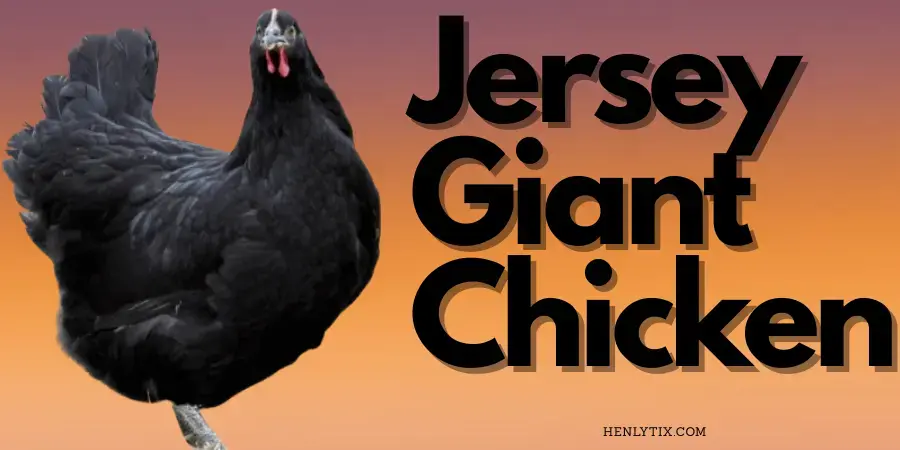
When you think of chickens, you might not immediately think of them as gentle giants, but the Jersey Giant breed is exactly that. Known as the largest of all chicken breeds, they are often described as gentle and docile birds. These versatile chickens are perfect for any backyard, homestead, or barnyard, offering both meat and eggs.
Although these birds are not as common as some other breeds, their friendly nature makes them a favorite among poultry keepers who value friendly and docile animals. Jersey Giants thrive in both large runs and the open range, where they can forage for food and enjoy plenty of room to roam.
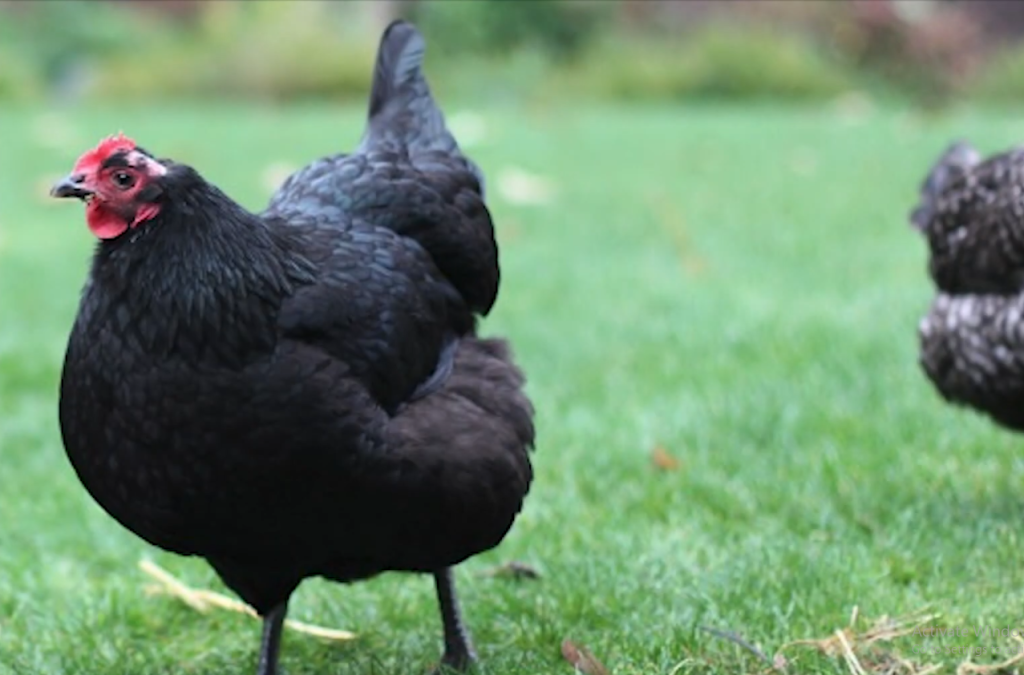
Despite their impressive frame, these birds are relatively rugged and are not just suited for meat production but also make great companions. The Jersey Giant is a breed that has remained relatively rare, but its history and distinctive characteristics make it a breed worth knowing more about.
With their calm and gentle demeanor, they are well-suited for both the experienced and novice poultry keeper. From their chick care to their brooding behavior, there’s so much to explore about these amazing birds. For anyone interested in raising giants of the chicken world, the Jersey Giant is a breed that definitely deserves attention.
Jersey Giant Chicken-short Explanation
The Jersey Giant Chicken is the largest chicken breed, known for its impressive size and calm demeanor. Mature roosters weigh 13-15 pounds, while hens are around 10 pounds. They are excellent for meat production and lay substantial brown eggs, making them a dual-purpose bird. Despite their size, they are friendly, hardy, and can thrive in various climates, making them a great addition to any backyard or homestead.
History and Development of the Jersey Giant Chicken
The Jersey Giant chicken was developed between 1870 and 1890 by John and Thomas Black in Burlington County, New Jersey, near Jobstown. Their intention was to create a breed of chicken that could replace turkeys as a premium table bird. The breed was created by crossing Black Javas, Black Langshans, and Dark Brahmas, which helped them reach their goal.
By 1895, the term Giant was used to describe the breed, and they became known as Black Giants, a tribute to the creators, though it had nothing to do with their color. Dexter P. Upham, a breeder from Belmar, changed the name to Jersey Giant to reflect the breed’s roots.
In 1921, the American Association of Jersey Black Giant Breeders Clubs was founded, and the name Jersey Giant was officially adopted. The standard for the breed was established with traits like a gigantic frame, single comb, yellow skin, rapid maturity, good vigor, and fine foraging ability.
Their medium to long body is wide and deep, which gives them a square appearance. The back is flat, and their tail is relatively short. The breed was recognized by the American Poultry Association (APA) in 1922, with the white variety being accepted in 1947 and the blue variety in 2003. Today, Jersey Giants are recognized in three color varieties: black, white, and blue.
Known for their impressive sizes, calm temperament, and large meat production, Jersey Giants are considered an excellent choice for both meat production and as friendly barnyard companions.
The Barnevelder is loved for its striking feather pattern and calm personality.
Jersey Giant Characteristics and Colors
The Jersey Giant is one of the largest chicken breeds, known for its impressive size and easygoing nature. Mature roosters can weigh between 13-15 lbs, while hens are slightly lighter at 10-11 lbs. These birds stand tall, with males reaching 22-26 inches in height and females around 16-20 inches.
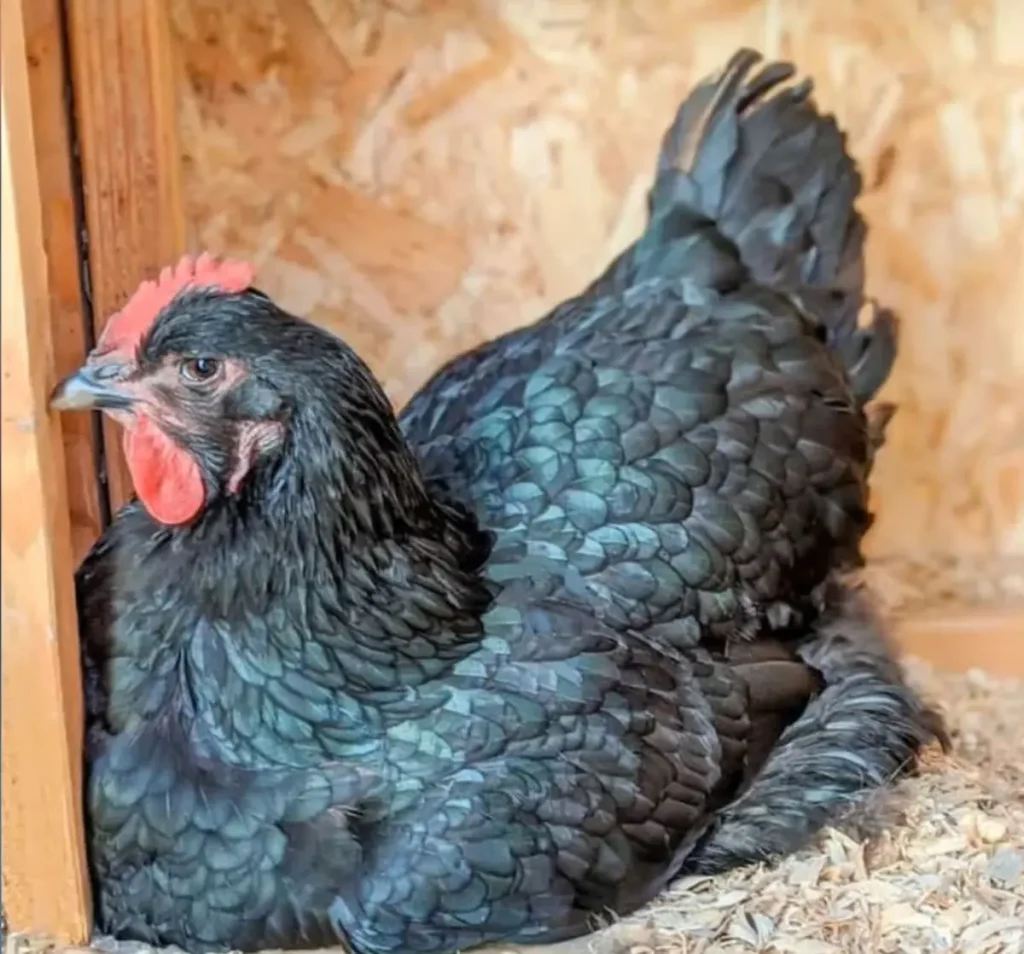
Their size is not only striking but also accompanied by a sleek and elegant appearance. The black Jersey Giant is especially popular, known for its beetle green sheen and shiny black feathers, making them visually impressive in any flock.
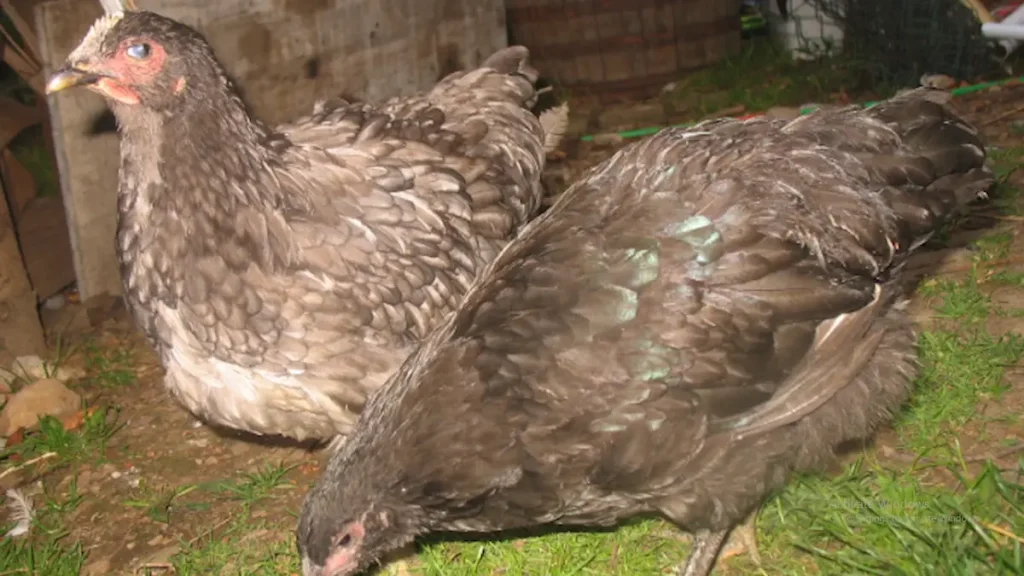
When it comes to colors, the Jersey Giant breed comes in three main varieties: black, white, and blue. The blue variety has a beautiful slatey-blue color with darker blue lacing, while the white variety is admired for its clean plumage and bright yellow feet and shanks.
The black variety often boasts a green sheen and stands out with its dark beak, wattles, and eyes. Despite their large frame, they are known for being calm and easygoing, making them great for both meat production and as friendly pets in the backyard.
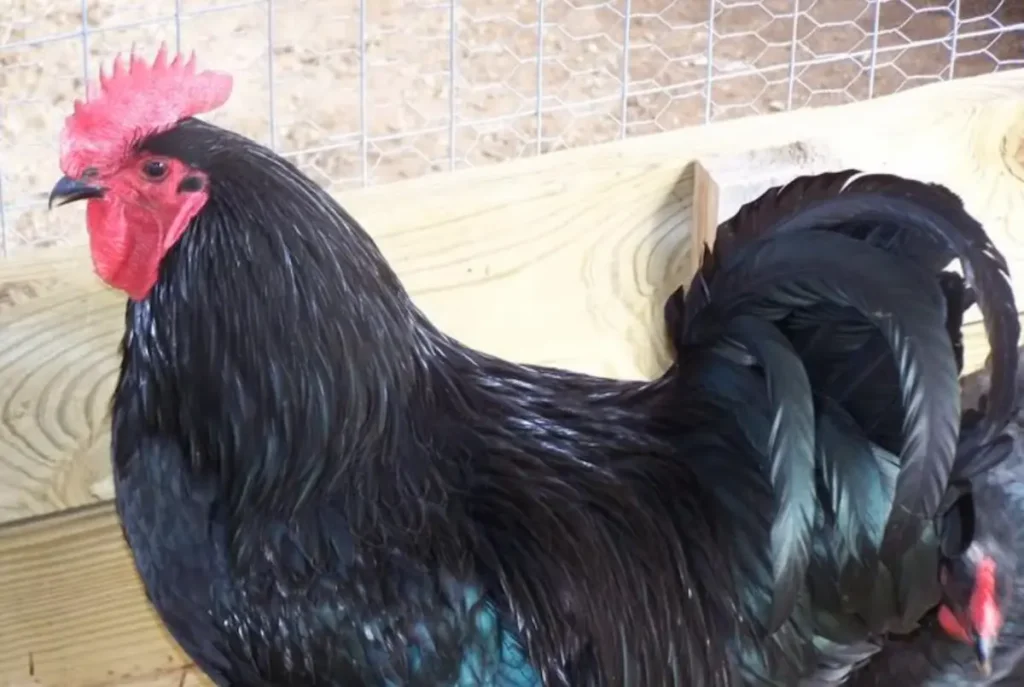
These birds are not just about looks but also about practical utility. Their elegant and impressive stature, combined with their calm temperament, make them excellent for meat production. Whether it’s the black Jersey Giant with its deep green sheen or the striking blue variety, these birds will add a unique presence to any flock.
In addition, they are known for producing light-brown eggs that are perfect for the kitchen, further enhancing their appeal to those who raise chickens for both eggs and meat.
Egg Production and Broody Behavior of the Jersey Giant Chicken
Jersey Giant hens are excellent layers, producing extra-large eggs that range from dark brown to light cream in color. These hens lay between 150-200 eggs per year, making them quite productive for their size.
They begin laying at about 8 months of age, though some owners have seen them start as early as 5 months. Despite their impressive egg production, Jersey Giants are not known for being very broody. They may occasionally sit on eggs, but they tend to leave the hatching process to other breeds or the keeper.
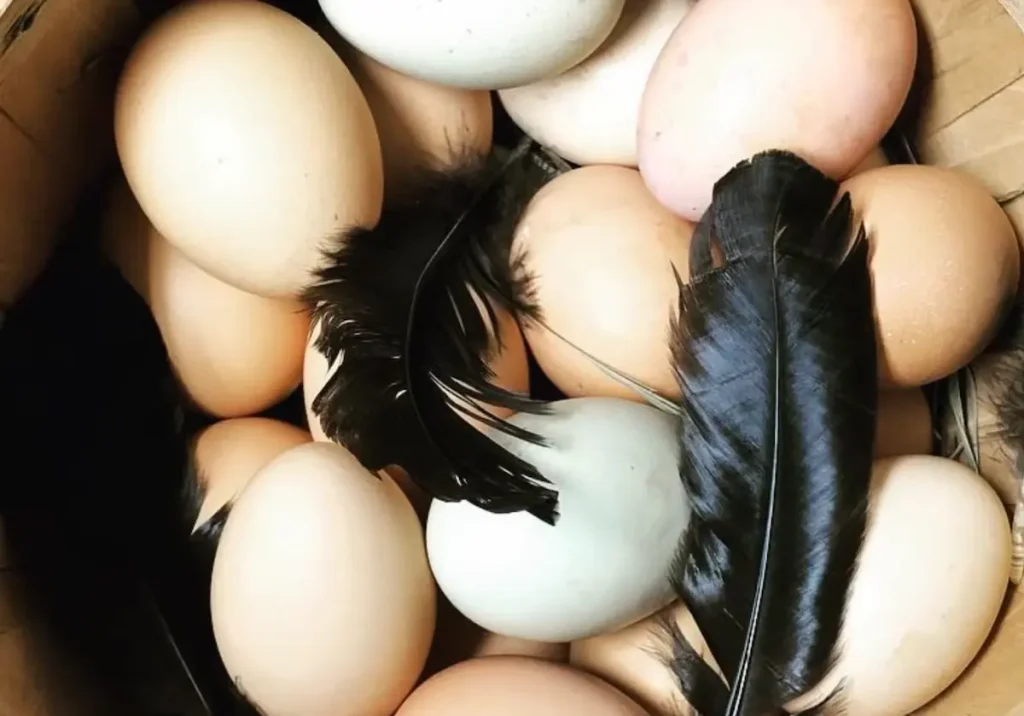
In terms of broody behavior, the Jersey Giant can be non-broody, meaning they may not always want to incubate their eggs. If they do go broody, they can sometimes struggle with incubating due to their weight, which might cause them to crush the eggs.
However, they are generally good mothers when they do decide to sit, though it may take 1-2 days longer than other chicken breeds for their eggs to hatch. Their calm nature makes them great pets, but when it comes to egg production, these birds are definitely top-notch.
The Sapphire Gem is not only beautiful but also a reliable egg layer for any backyard flock.
If you’re looking for a gentle and sociable bird, the Salmon Faverolle is a great option.
Foraging and Predator Resistance of the Jersey Giant Chicken
The Jersey Giant chicken is a large and hardy breed that excels at foraging. These friendly birds are known to roam around and search for food, but they are also resistant to predators, making them a great choice for free-range farming. The black and blue varieties are particularly good at defending themselves, while the white variety may not fare as well against threats.
Despite their weight, they are not prone to flying, although some Jersey Giants have been known to fly over a fence if something captures their attention. In general, they are calm, docile, and even tolerant of other roosters and chicken breeds, often getting along well with owners and other animals.
Challenges of Keeping Jersey Giants
- Size and Space: Jersey Giants are large birds that require plenty of space in their coop and backyard. They thrive in a free-range setup and need enough room to explore and forage, which may not be possible in a small run.
- Noisy Nature: These birds tend to be noisy, which could be a concern if you have close neighbors. Their vocal nature is something to consider when deciding where to keep them.
- Slow Growth and Food Needs: Jersey Giants are slow growing, taking 8-9 months to reach harvestable weight. They require a lot of food due to their feed-to-meat conversion being not the best, making them less efficient for meat production compared to other breeds.
- Broody Behavior: Jersey Giants can be broody, so managing broody hens may need extra work. They may stay broody without eggs to hatch, requiring vigilance to avoid health issues.
- Physical Injuries: Because of their large size, Jersey Giants are prone to injuring their legs when jumping from high places. It’s important to adjust pop hole doors and roosting bars to prevent this.
- Hardiness: Despite these challenges, Jersey Giants are hardy birds that can handle winter temperatures better than many other breeds, making them resilient in colder climates.
Breed Purpose and Lifespan of the Jersey Giant Chicken
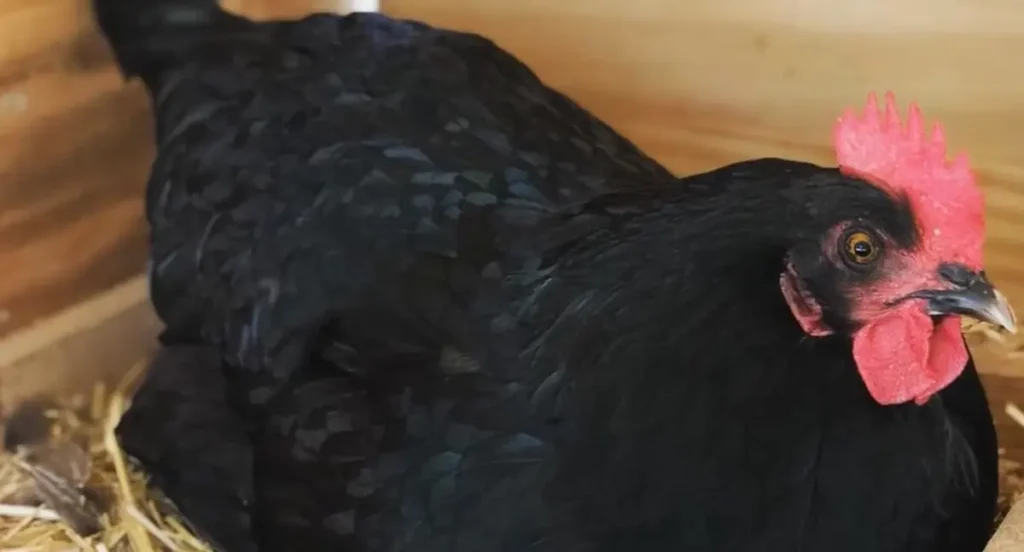
The Jersey Giant breed was originally bred for meat, but today they serve multiple purposes, including laying eggs and providing a friendly nature that makes them popular in backyard flocks.
Their impressive size also makes them a favorite in shows, where they stand out due to their large stature. In terms of lifespan, Jersey Giants typically live between 6-8 years, but with proper care, some have been known to live up to 10 years. They’re a versatile breed that offers both meat and eggs while being a friendly companion in any flock.
Care, Housing, and Climate Needs of the Jersey Giant Chicken
Jersey Giants are a hardy breed, well-suited to colder temperatures due to their size and feathering. However, in hot climates, they are prone to overheating, so it’s important to provide them with shade and fresh water to keep them comfortable.
They need ample space to roam and move freely, so a spacious coop with a secure run is essential. Keeping them in a cramped environment can cause stress, so it’s best to allow these large birds plenty of room to move around and enjoy their surroundings.
Silkie is a favorite among backyard chicken keepers for its fluffy feathers and sweet temperament.
Many chicken keepers admire the Lavender Orpington for its soft plumage and friendly nature.
Health and Nutrition of the Jersey Giant Chicken
Jersey Giants require a high-protein diet to support their slower growth compared to other breeds. An ideal diet for adult hens includes layer feed with 16-18% protein, while young chicks should start with chick starter feed.
Due to their weight, they may develop leg issues, so it is important to provide soft bedding and low roosts to prevent bumblefoot and other leg injuries. These birds are heavy, which makes them prone to ailments related to their size, so regular care and attention are necessary to keep them healthy.
Clutch Size and Costs of the Jersey Giant Chicken
Jersey Giant hens typically lay 4-5 eggs per week, producing medium to large light brown eggs. While not the most prolific egg layers, they are still reliable. If you’re looking to purchase Baby Chicks, the price usually ranges from $5-$10 each.
For full-grown birds, the cost is higher, typically between $30-$50, depending on factors like color, quality, location, time of year, and the breeder’s reputation. Prices can vary, so it’s always a good idea to compare options before making a purchase.
The Top 10 Reasons to Get Jersey Giant Chickens
1. Largest Chicken Breed
Jersey Giants are the largest chicken breed, easily outgrowing breeds like Brahmas, Cochins, and Langshans. Their impressive size makes them a standout in any flock.
2. Calm and Docile Nature
Despite their size, Jersey Giants are very calm and docile. They have a friendly temperament and get along well with both humans and other chickens, making them a great addition to a backyard.
3. Hardy in Various Climates
These birds are hardy and can withstand various climates, including cold temperatures, thanks to their strong build and feathering.
4. Excellent Meat Production
Jersey Giants produce excellent meat. When they reach marketable weight of 8-11 lbs, they make fantastic roasting birds, providing a good source of high-quality meat for your family.
5. Decent Egg Production
They are not the best layers but still provide a decent number of brown eggs. On average, they lay 3 eggs per week or around 150 eggs per year, which is still impressive for a bird of their size.
6. Beautiful Varieties
Jersey Giants are known for their beautiful varieties, including Black, White, Blue, and even Splash. These birds are visually stunning, with their black plumage and iridescent green sheen that gleams in the sunlight.
7. Bantam Version Available
If you’re looking for a bantam version of the Jersey Giant, you’re in luck! These smaller versions still carry the same great qualities but are more suited for smaller spaces.
8. Good Mothers and Broody Behavior
They are good mothers and often go broody. If you’re looking for a chicken that will care for its chicks, Jersey Giants are the perfect choice. They are attentive and nurturing.
9. Great Foragers
Jersey Giants tend to forage well and love to roam. They are perfect for free-range environments, as they can safely move around and feed themselves while still being protected from predators.
10. Rare and Conservation Status
Finally, Jersey Giants are a rare breed with a conservation status of “Watch.” With low numbers today, owning them helps preserve a valuable and unique part of poultry history.
Brahma Chicken vs Jersey Giant
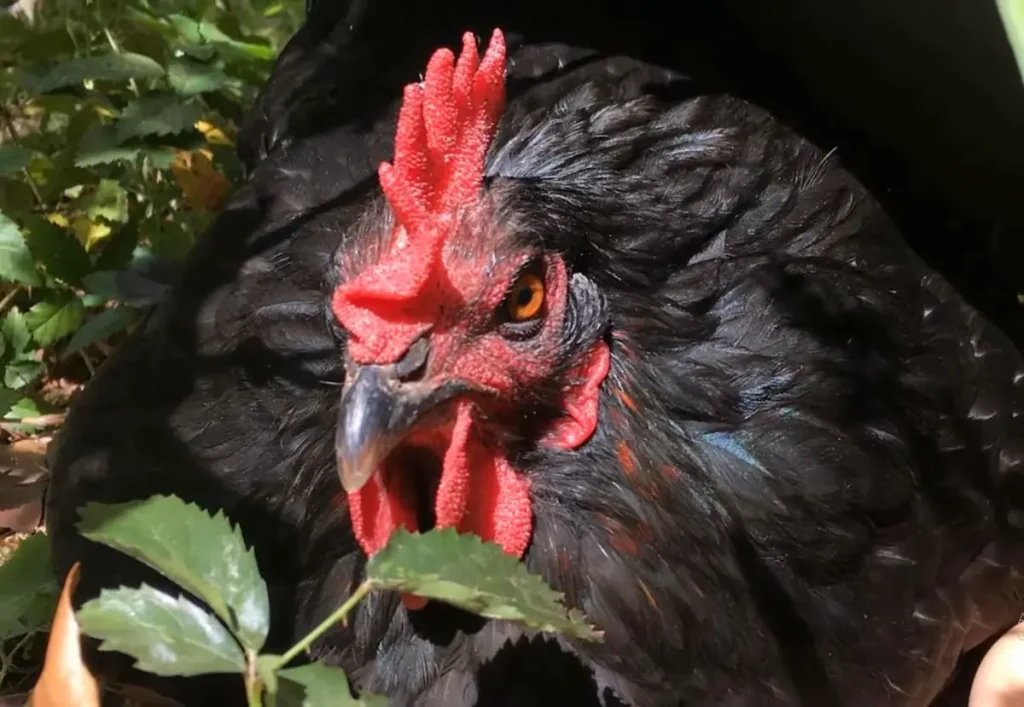
When comparing Brahma chickens to Jersey Giant chickens, there are some key differences and similarities. Jersey Giants are among the largest chicken breeds, with full-grown males weighing between 13-15 pounds, while Brahmas are slightly smaller, typically weighing around 10-12 pounds.
The body structure of the Jersey Giant is more solid, while the Brahma is more feathered, giving them a rounded appearance. Both breeds are known for their calm demeanor and meat production, but the Jersey Giant has a rapid growth rate and larger egg size. The eggs of Jersey Giants are often substantial and come in a brown color, while Brahmas tend to produce smaller eggs.
If you’re looking for a bird with impressive size, the Jersey Giant stands out, though Brahmas also offer excellent meat production and temperament for poultry enthusiasts.
Many chicken keepers also admire the unique appearance of breeds like the Blue Laced Red Wyandotte, which stand out because of their striking feather patterns.
Showing Jersey Giants: Standard of Perfection (SOP) for Hens and Roosters
- Jersey Giant Chicken Hens must have a large, balanced body and well-rounded feathers. These traits help them stand out in poultry shows, showcasing their impressive size and structure.
- Jersey Giant Chicken Roosters are required to have pronounced combs and wattles. These distinct features, along with their large size, make them an attractive option for poultry shows, ensuring they meet the Standard of Perfection (SOP) set by the APA.
Frequently Asked Questions
Are Jersey Giants Good Egg Layers?
Jersey Giants are good egg layers, producing 150-200 large brown eggs annually. While they are not prolific like some other breeds, they are reliable and their large egg size makes them valuable. They are also hardy in cold weather, ensuring steady production even in winter. These dual-purpose birds are appreciated for both eggs and meat.
How Big Can a Jersey Giant Chicken Get?
Jersey Giant chickens are large birds. Roosters weigh around 13 pounds and stand up to 26 inches tall, while hens weigh about 10 pounds and reach 20 inches. They are one of the largest chicken breeds, making them truly impressive.
Are Jersey Giant Chickens Good for Meat?
Jersey Giants are large meat birds known for flavorful roasting chickens. Although they are slow-growing and take time to reach a harvestable size, their high-quality meat and large size make them a great option for homesteaders who aren’t in a rush.
What is the Difference Between a Jersey Giant Chicken and a Normal Chicken?
The Jersey Giant is the largest breed of chicken, with hens weighing 10 pounds and roosters around 13 pounds. In comparison, a Leghorn chicken weighs much less, with hens at 4 1⁄2 pounds and roosters at 6 pounds.
Conclusion:
Jersey Giant Chicken is a remarkable breed, known for its impressive size, calm demeanor, and hardiness. With roosters weighing 13-15 pounds and hens around 10 pounds, they are perfect for both meat production and egg laying, offering substantial brown eggs. Their friendly nature and adaptability make them an excellent choice for backyards, homesteads, and even poultry shows. Whether you’re seeking a reliable meat bird or a gentle companion, the Jersey Giant is sure to stand out as a valuable addition to any flock.